


EdTech Ecosystem in Ukraine: Together We Can Achieve More
Kyiv University of Law of the National Academy of Sciences of Ukraine joined the EdTech Ukraine Association at the speed of light: an initiative request from Olena Dobrotvor, Head of the Department of Education Quality, Accreditation and Licensing — a brief review — completion of the membership application form — one click — and the university was officially among the members of the EdTech community.
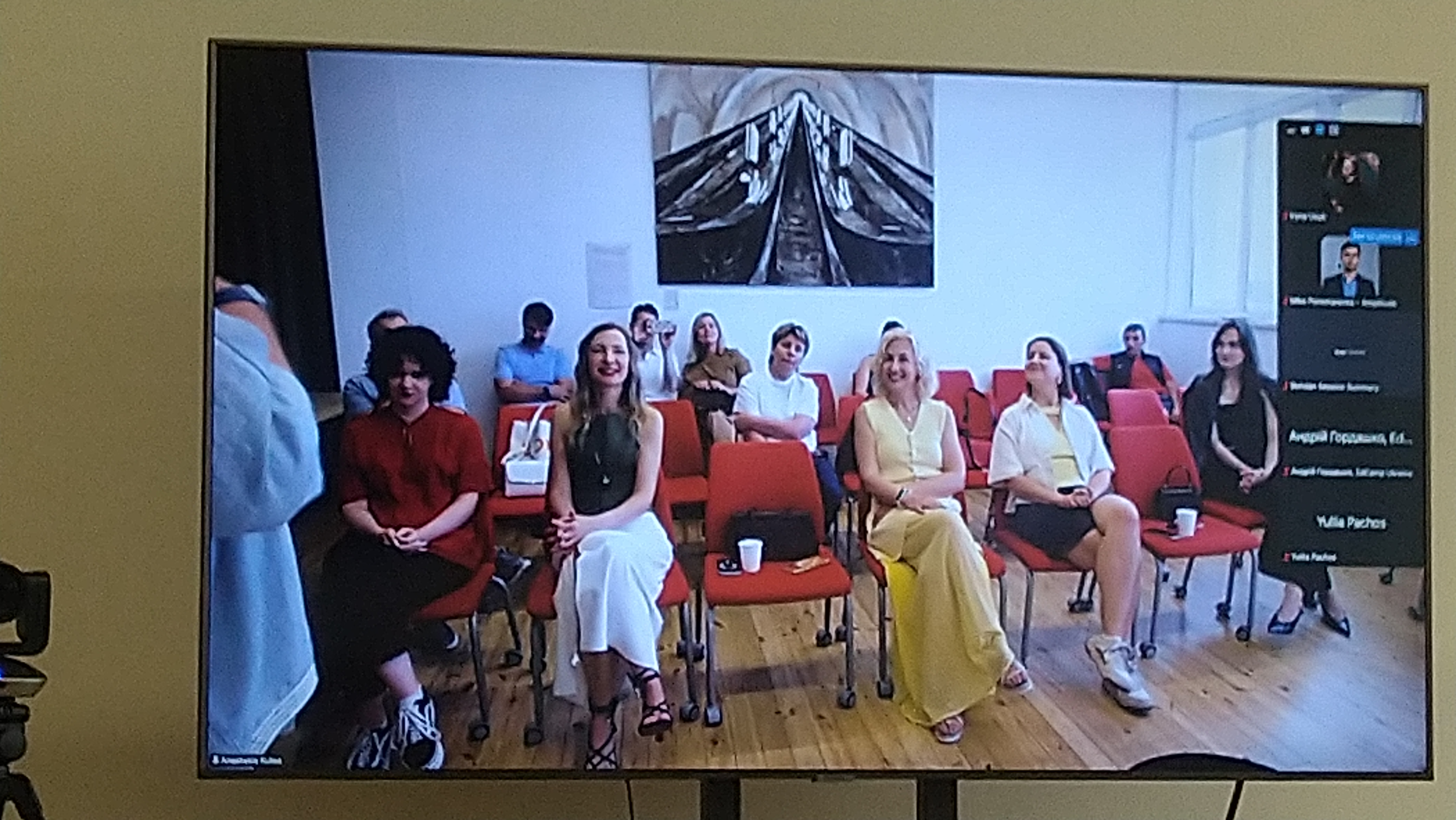
The quick approval confirms the shared commitment of both parties to the rapid implementation of educational technologies. The very next day, on September 10, Olena DOBROTVOR and Kostiantyn BORODIN, lecturer and developer of original digital solutions for academic data management, took part in a meeting of the Association’s members and partners. The meeting included introductions, presentations, and project discussions.
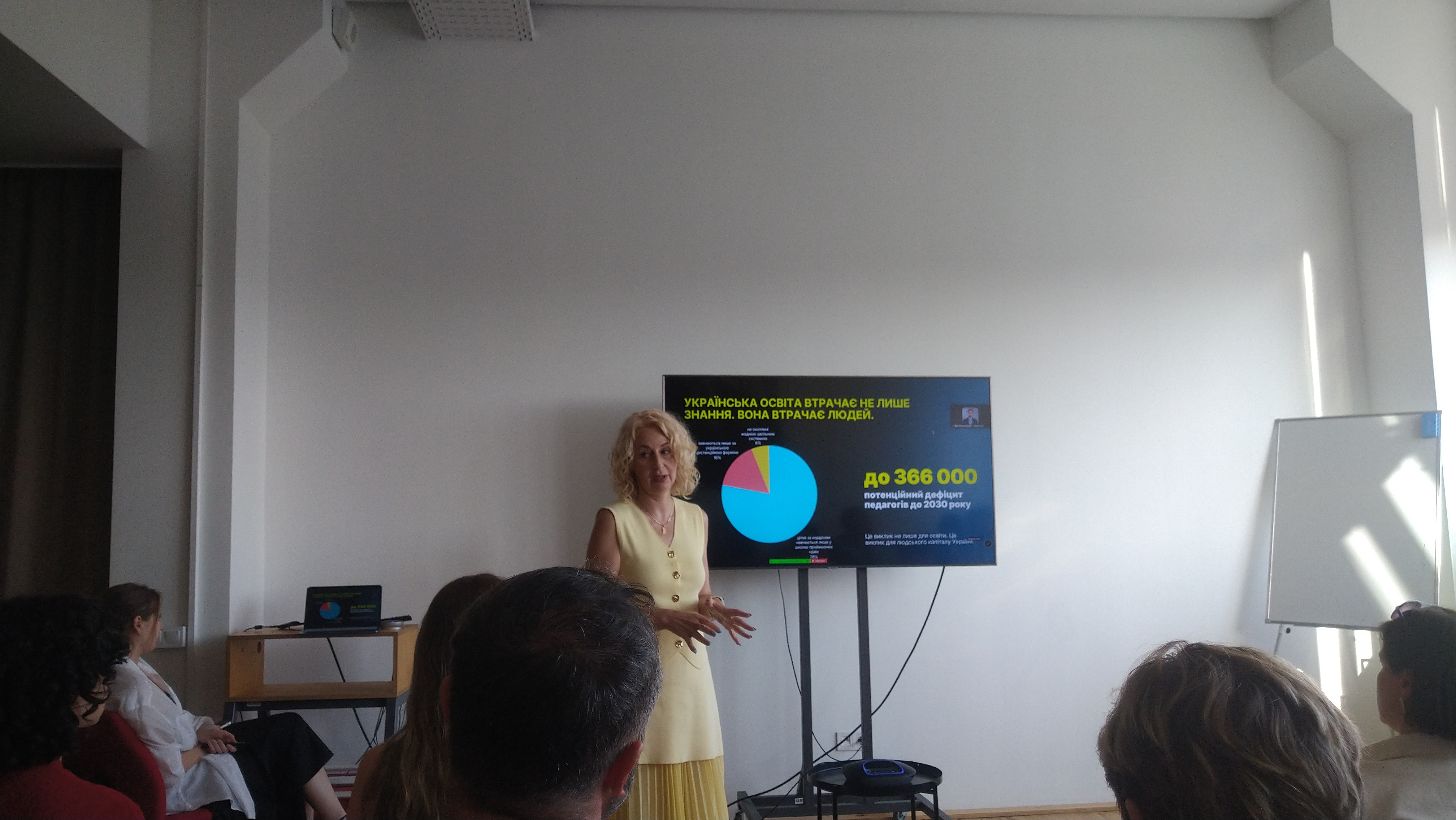
Nataliia LYMONOVA, Chair of the Board of the Ukrainian Association of Educational Technologies, presented materials from the EdTech strategic session with the Ukrainian Institute for the Future — Ukrainian Education 2035: What Awaits Us.
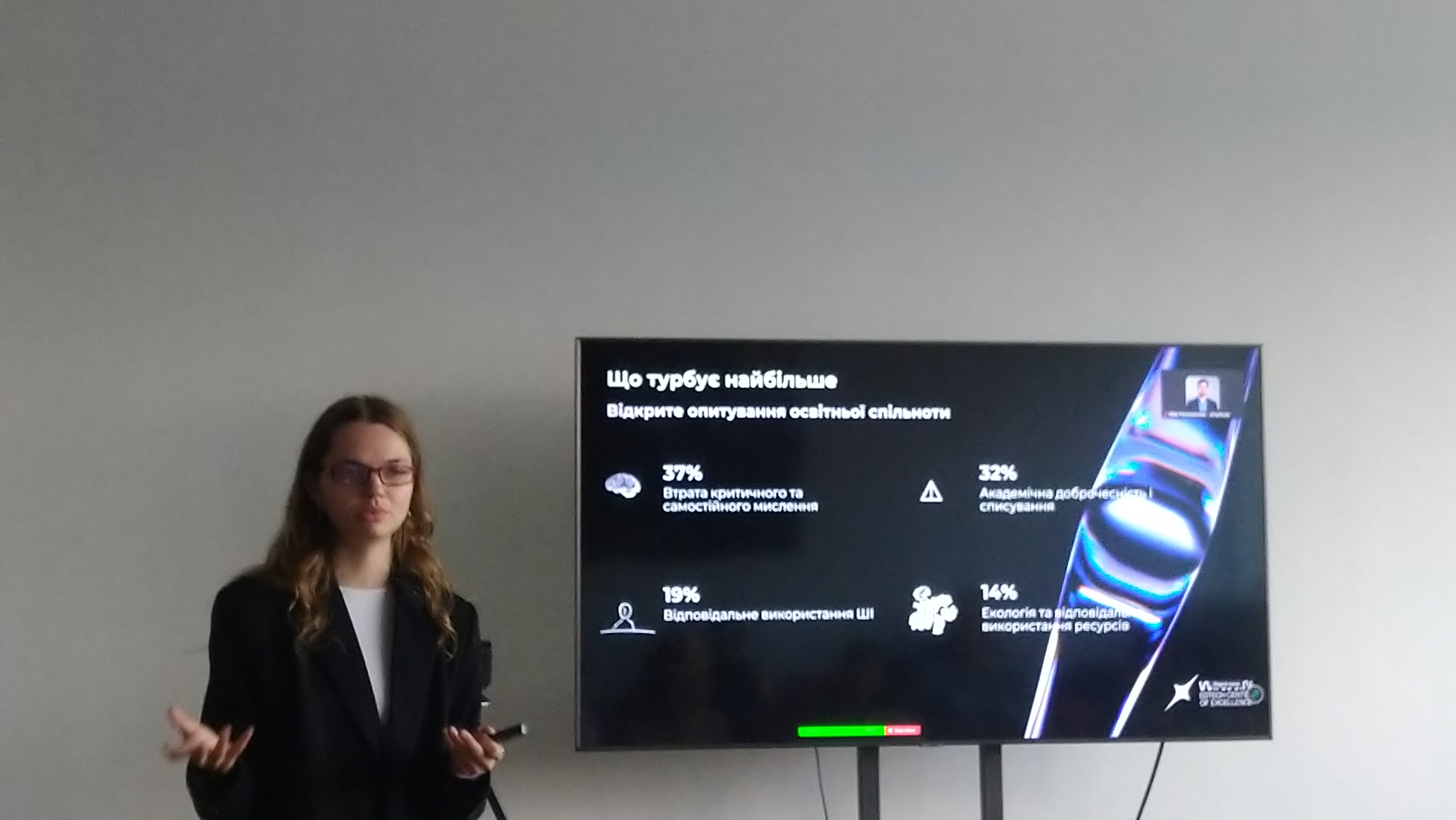
Anastasiia VOROBIOVA, analyst at the national center for the development of educational technologies and innovations WINWIN EdTech Centre of Excellence, spoke about the results of the international Digital Education Council study, which involved 25 Ukrainian universities — AI in Higher Education: What the Numbers Say.
The discussion focused on the role of digital technologies in ensuring continuous and accessible learning, rules for using artificial intelligence in education, ways to personalize the learning process, the development of STEM/STEAM fields, support for educators, the technological resilience of educational institutions, and the need for closer cooperation between universities, business, and the state.
The speakers highlighted the active participation of Ukrainian organizations in international professional communities and the opportunities for scaling domestic EdTech solutions. Today, the community brings together around 90 members, cooperates with 21 partners, and develops international connections with more than 27 countries. Ukraine’s experience of working under wartime conditions, ensuring continuity of education, and rapidly implementing digital technologies is becoming an important component in shaping modern educational policy.
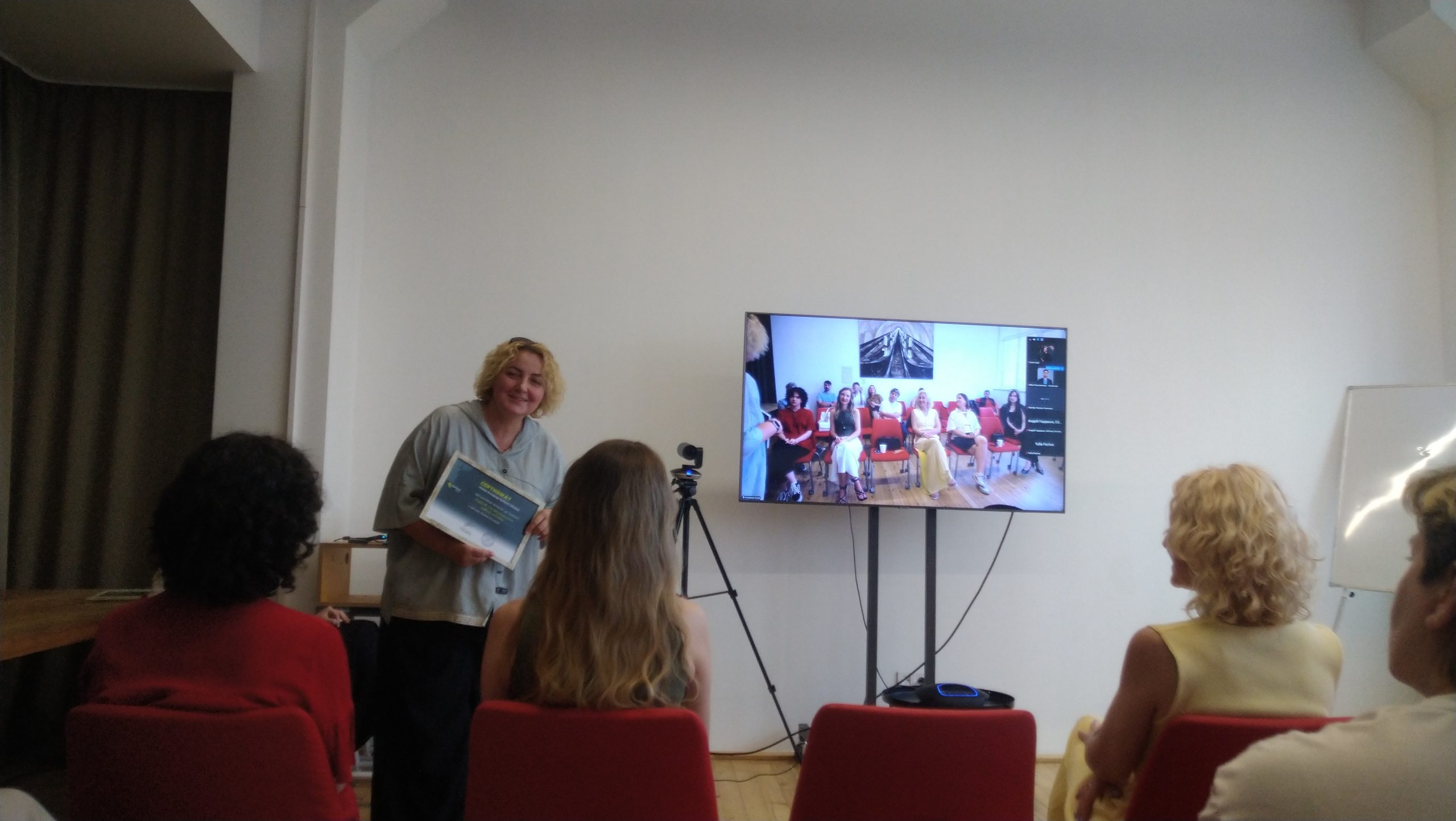
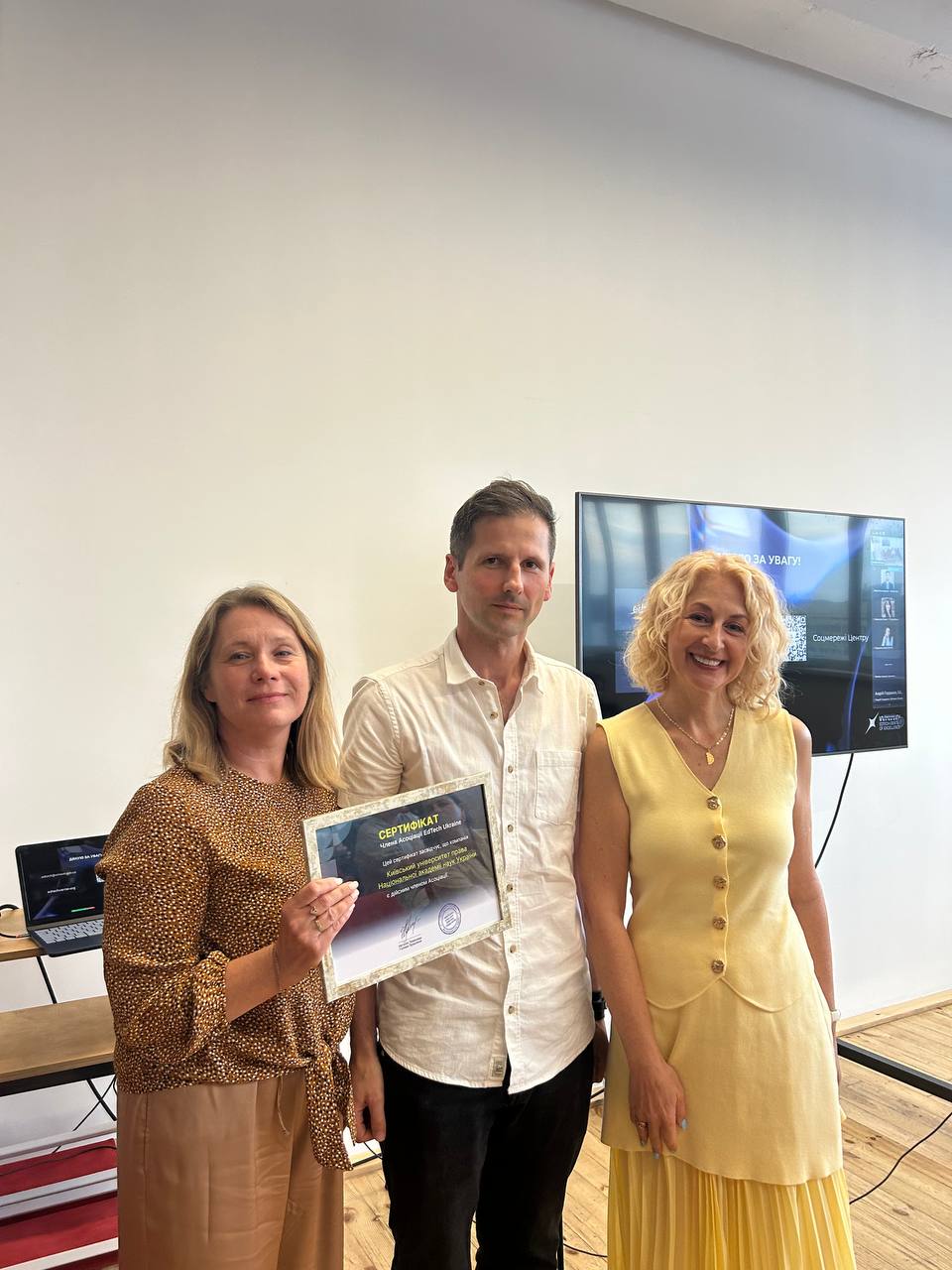
KUL NASU confirmed that it is open to pilot projects with EdTech developers, as well as to exchanging experience and ideas with other universities in order to jointly create an educational environment where technology strengthens both the lecturer and the student.
Press Center of KUL NASU