


On the anniversary of the Chernobyl tragedy
On April 26, 1986, one of the largest man-made disasters in human history occurred — the accident at the fourth power unit of the Chernobyl Nuclear Power Plant. During scheduled safety system tests, a reactor explosion occurred, leading to the destruction of the power unit and a significant release of radioactive substances into the environment. The consequences of the tragedy affected large areas of Ukraine, Belarus, Russia, and other European countries, and its impact is still felt today.
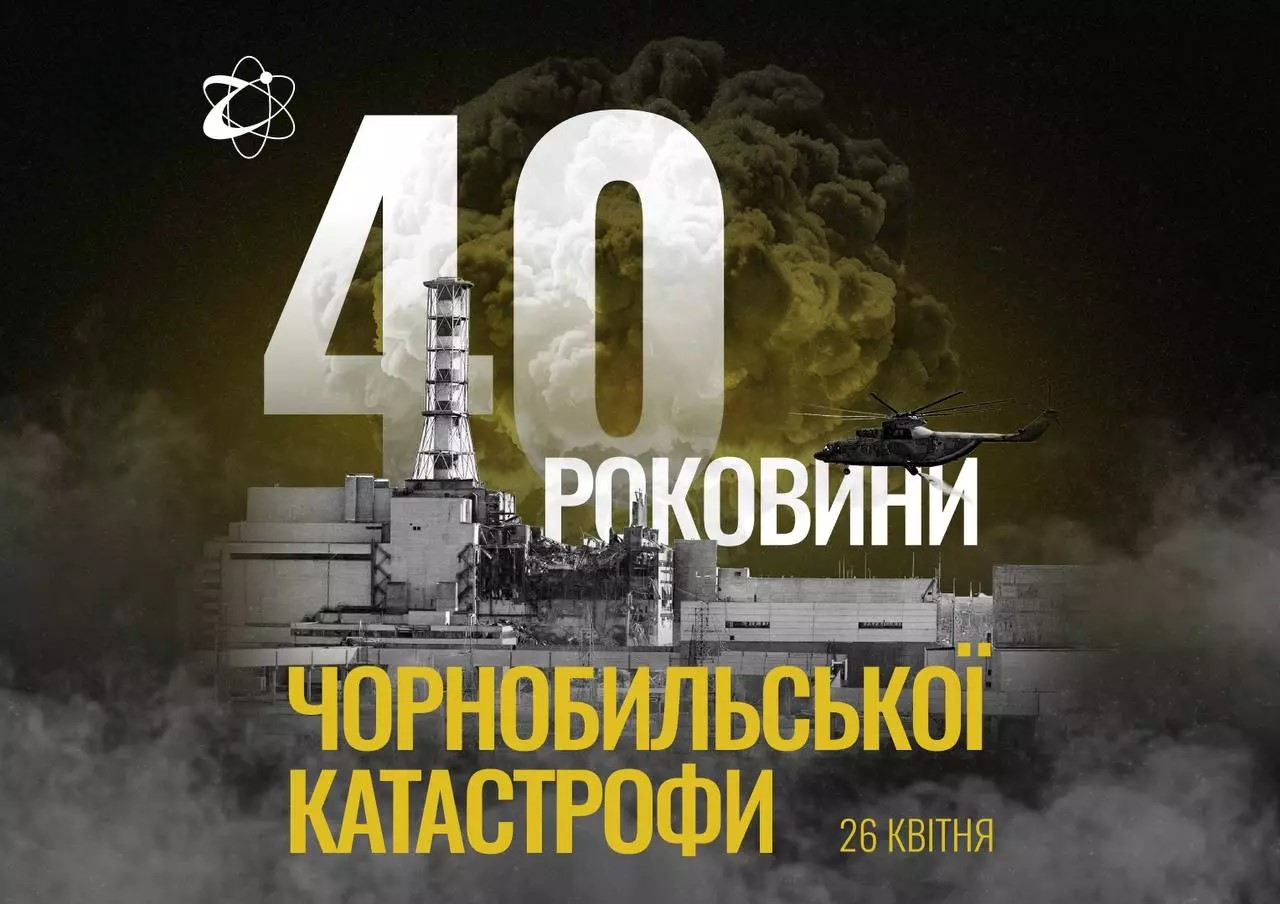

The Chernobyl disaster became a turning point in the development of nuclear energy, environmental policy, and the system of technological safety in the world. It demonstrated the need to rethink approaches to managing complex technological facilities and to strengthen international cooperation in the field of emergency prevention.
Kyiv University of Law of the National Academy of Sciences of Ukraine joins in honoring the memory of the victims of the Chernobyl disaster and expresses deep respect to the liquidators of the accident, who stopped the further development of the tragedy at the cost of their own lives and health.
The National Academy of Sciences of Ukraine played an important role in overcoming the consequences of the accident and in the scientific understanding of its impact. From the first days after the disaster, its institutions were involved in large-scale scientific and practical activities. Scientists carried out radiation monitoring of territories, analyzed contamination levels, studied the migration of radionuclides in natural ecosystems, and also assessed the impact of ionizing radiation on the health of the population.
Specialists of the National Academy of Sciences of Ukraine participated in the development of scientifically based recommendations on the evacuation of the population, decontamination of territories, and the organization of long-term environmental and medical monitoring. The results of these studies became the basis for the formation of the state system of radiation safety and management of the consequences of the accident.
Today, the Chernobyl Exclusion Zone remains a unique site for scientific research, allowing the study of long-term ecological processes and the impact of radiation on nature and humans.
The Chernobyl tragedy remains an important historical lesson for all humanity, emphasizing the significance of responsibility, a scientific approach, and legal mechanisms in ensuring the safety of future generations.
Bright memory to all the victims of the Chernobyl disaster.
We remember…
