


Participation of KUL NASU in the International Seminar “Historically Successful Mechanisms for Enforcing Civil Damages and Considerations for Ukraine”
On October 18, 2022, an associate professor of the Department of International Law and Sectoral Legal Disciplines Tolkachova I.A. took part in the seminar ‘Historically successful mechanisms for the compulsory recovery of civil damages and considerations for Ukraine’, which took place at the Higher School of Advocacy of the NAAU in partnership with the International Bar Association and the National Bar Association of Ukraine.

Event program:
I. Opening – Mark Ellis, Executive Director of the International Bar Association.
II. Speech by the representative of the National Association of Advocates of Ukraine.
III. Main content.
III.1 Christopher Gibson – Professor of Law and Director of Business Law and Financial Markets at the Suffolk University Law School in Boston.
1. Review, successes and failures of the UN Compensation Commission.
2. Considerations regarding the creation of a similar mechanism for Ukraine, both through the United Nations and independently.
III.2. Rubén Carranza – Senior Expert at the International Center for Transitional Justice, advises the Extraordinary Chambers in the Courts of Cambodia and the International Criminal Court on issues related to reparations and war crimes.
1. Overview of personal experience working with tribunals, such as the Philippine Presidential Commission on Good Government.
2. Advice and considerations for politicians interested in creating a mechanism
recovery of reparations for Ukraine.
IV. Discussion. Answers of international experts to participants’ questions.
Opened the event Savva Kuzmenko, Director of VSHAA NAUU, who emphasized the importance of cooperation in the alliance with professionals from around the world. Savva Kuzmenko expressed gratitude to the speakers and the seminar moderator, the Executive Director of the International Association of Lawyers Mark Ellis.
Greeting the seminar participants Mark Ellis He noted the consistent support of Ukraine by the International Association of Lawyers, the unwavering position expressed in February of this year regarding the condemnation of the invasion of Ukraine and the crimes committed. Providing multifaceted assistance, the Executive Director assured of continued support for Ukraine.

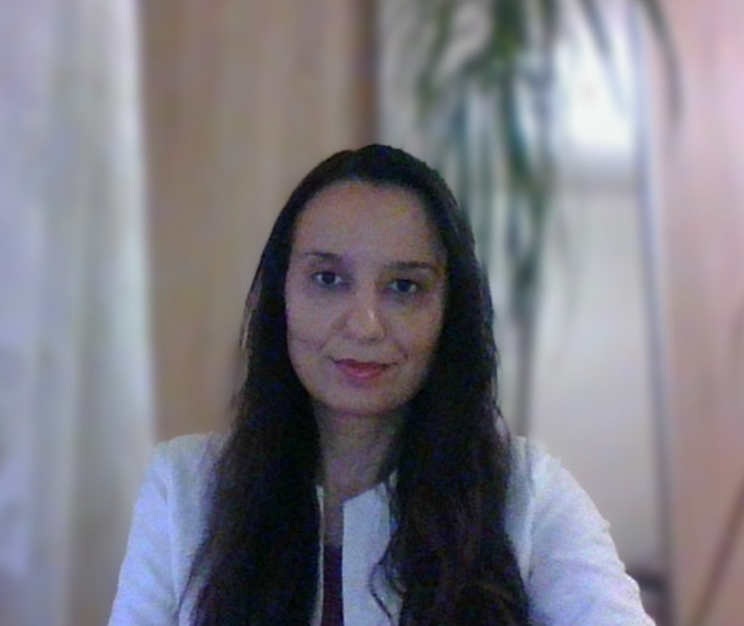

With a welcoming word to the speakers and participants of the seminar addressed Valentyn Hvozdiy, Deputy Head of the National Association of Advocates of Ukraine, who thanked the speakers and personally Mark Ellis for participating in the event and agreeing to share valuable experience.
The first to be invited to speak Christopher Gibson, professor of law and director of business law and financial markets at the Suffolk University Law School in Boston, who previously held the position of division chief and officer at the UN Compensation Commission, and also worked at the Tribunal for disputes between Iran and the USA. Christopher Gibson began the report with sad statistics on the losses and damages caused by the war in Ukraine, emphasizing that millions of Ukrainians are separated from their families, have lost their homes, and are forced to seek protection and asylum abroad. Among the negative consequences, the speaker highlighted the destruction of critical infrastructure, deprivation of property rights and the use of assets, environmental damage, and pollution of the natural environment. In his speech, the international expert carried out An overview of activities, analyzing the successes and shortcomings of appeals to the UN Compensation Commission. While expressing considerations regarding the creation of a similar mechanism for Ukraine, both through the United Nations and independently, the speaker advised inviting specialists who have experience working in international institutions.
Continued the thematic discussion Ruben Carranza, senior expert at the International Center for Transitional Justice, advises the Extraordinary Chambers in the Courts of Cambodia and the International Criminal Court on issues related to reparations and war crimes. Introducing himself to the audience, Ruben Carranza highlighted cooperation with Ukrainian human rights organizations on issues of human rights violated by the war. During the event, he also shared with participants his personal experience working with tribunals, including the Presidential Commission on Good Governance in the Philippines, and offered advice and considerations for those interested in creating a mechanism for collecting reparations for Ukraine. The speaker focused on the concept of transitional justice applicable in Ukraine, which includes the following elements: responsibility of persons who have committed war crimes, compensatory mechanisms for damages caused by the war, and the population’s access to reliable information about the causes and consequences of events. In a comparative aspect, he also highlighted the model of transitional justice at the UN, which includes a set of processes and mechanisms aimed at overcoming the severe consequences of large-scale law violations and at reconciling society in the post-conflict period.
During the event, historically successful post-conflict tribunals (for example, the UN Compensation Commission established after Iraq’s invasion of Kuwait) were discussed, and considerations were proposed regarding the creation of a similar mechanism for Ukraine in the future.
During the seminar, the participants addressed questions to the speakers, to which they received comprehensive and substantive answers.
At the end of the event, the results were summed up.
Press Center of KUL NASU